Faba beans and other legumes – protein-rich splits for food, feed and aquaculture

Processing legumes is the strategic focus of HK Saaten.

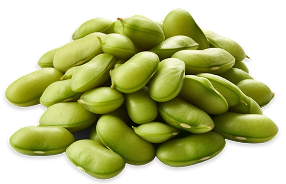
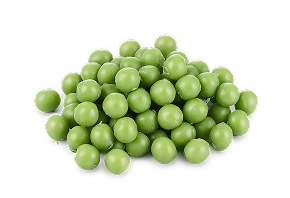
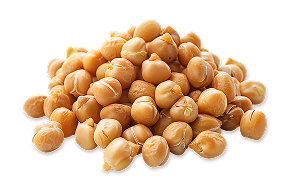
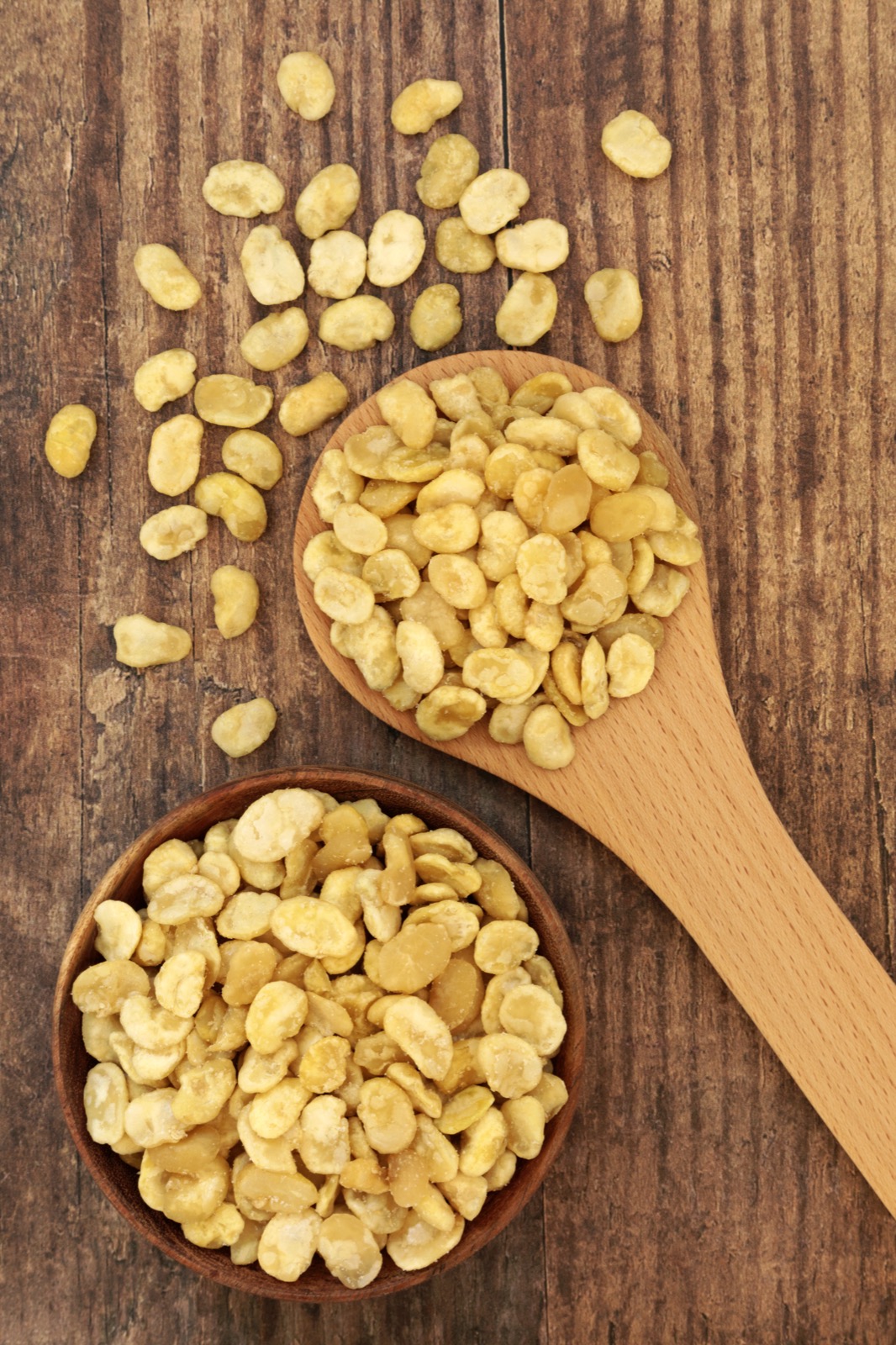
We process faba beans, peas and other legumes into high-quality, protein-rich splits for growing markets. In doing so, we combine responsible and sustainable sourcing of raw materials, high-quality processing and market-oriented applications into a reliable solution for our customers.

Home-grown protein combines quality, responsibility and a regional future.

In dialogue with: LeguNet

What we process

We focus in particular on:

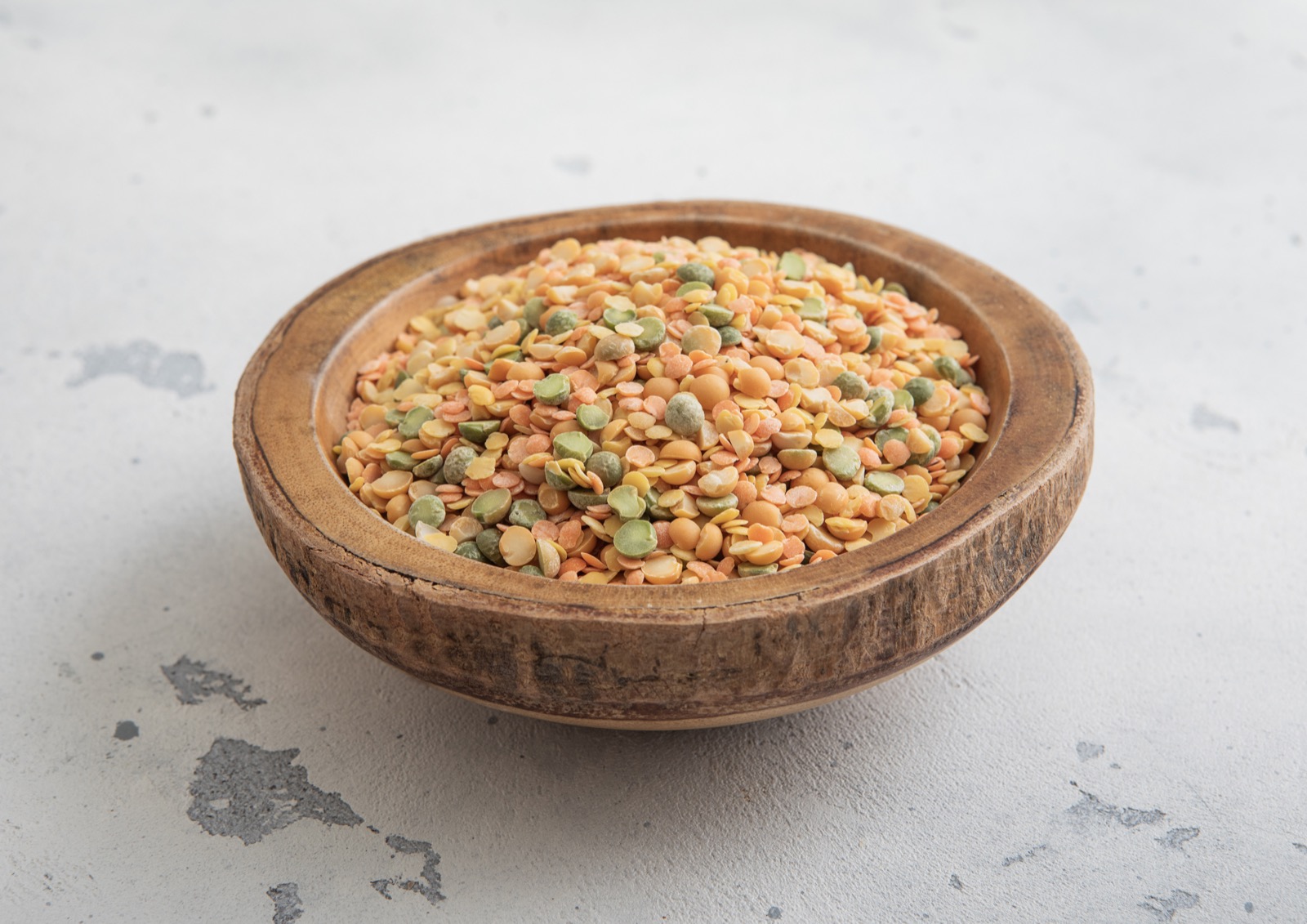
Legume splits being inspected and processed

Our services

  • Intake and quality assessment of agricultural raw materials
  • Cleaning, calibration, optical and colour sorting
  • Dehulling and refining of legumes
  • Production of high-quality food ingredients from faba beans and peas
  • Quality control through laboratory analysis and sampling
  • Reliable separation of organic and conventional product flows
  • Full traceability of every batch
  • Flexible processing to customer specifications
  • Flexible packaging solutions, storage and logistics

Applications

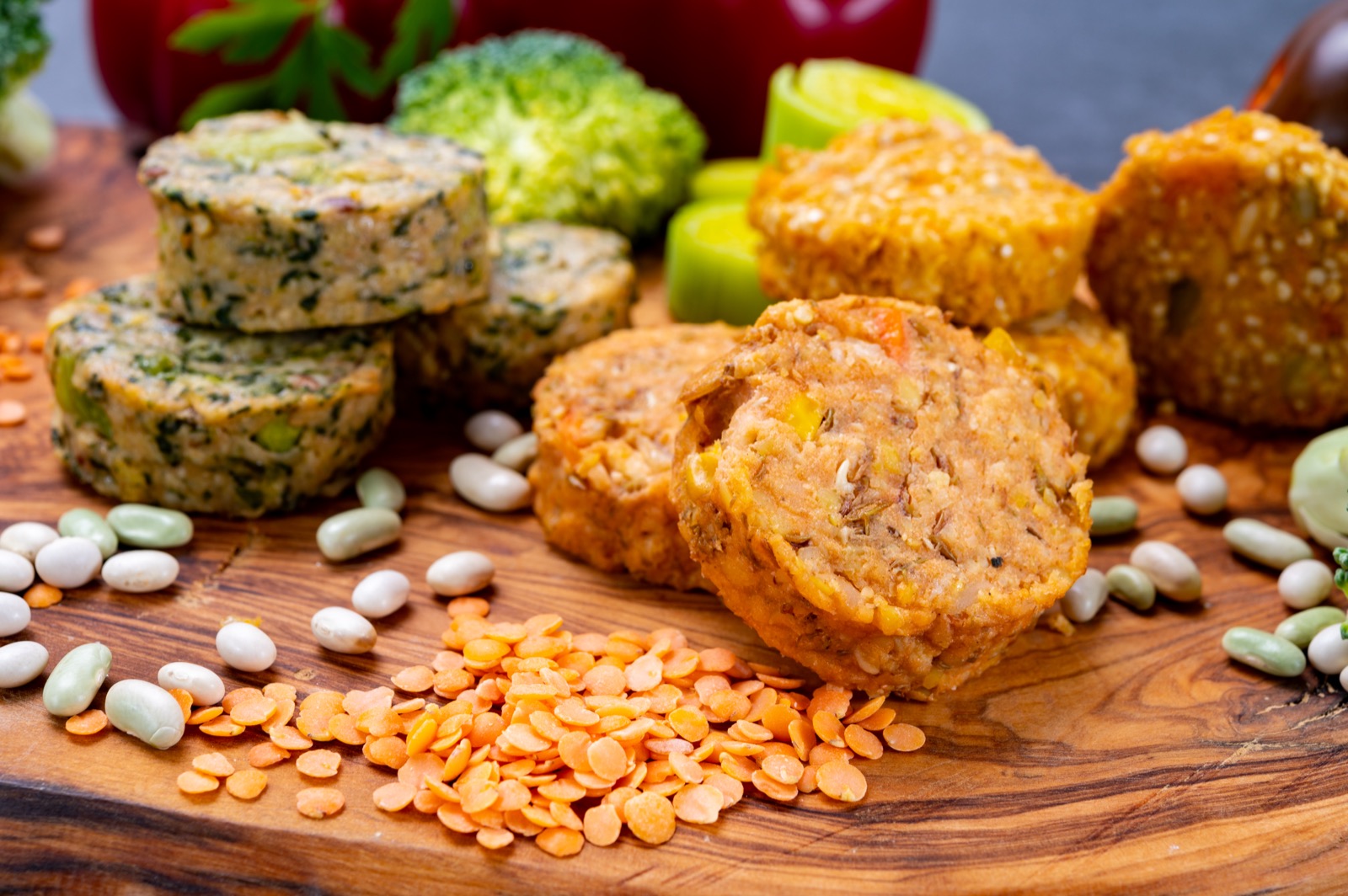
Protein-rich foods made from legume splits

Food

Protein-rich legume splits are becoming increasingly important in the food industry. They are suitable as a raw material for

  • Plant-based products
  • Protein blends
  • Ingredient concepts
  • Innovative food applications
  • Regional protein solutions with traceable origin

Especially in the food sector, origin, quality, traceability and process reliability are crucial.

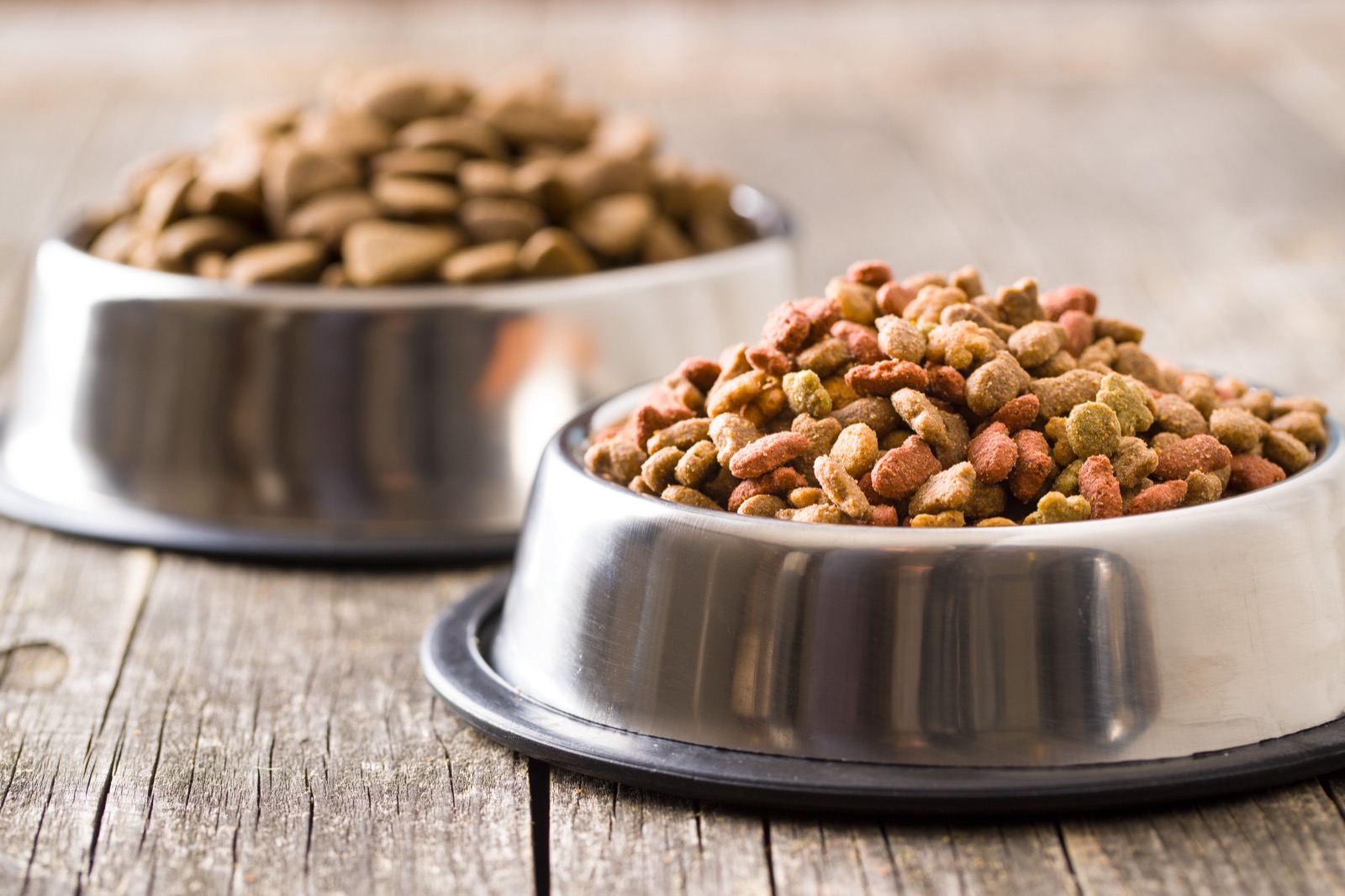
Animal feed containing legumes

Feed

In animal feed, legumes offer an attractive plant-based protein source. Protein-rich splits can help to develop modern, regional and more sustainable feeding concepts.

Aquaculture feed with plant-based protein

Aquaculture

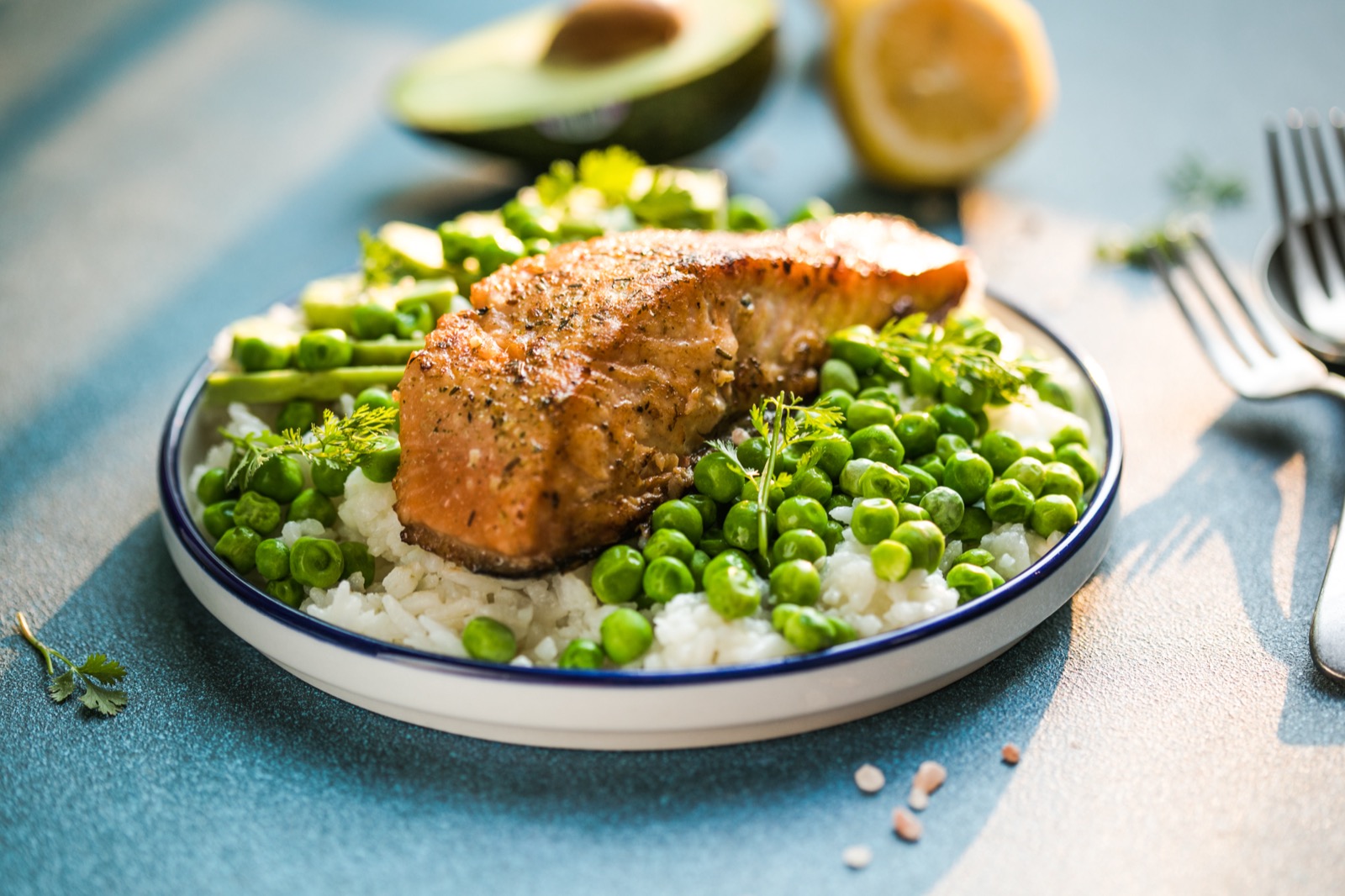
Aquaculture is a particularly relevant field of the future for us. Faba beans and the protein-rich products derived from them offer potential as a plant-based alternative to imported protein sources in sustainable feeding concepts. The focus is on:

  • regional protein sources
  • traceable supply chains
  • reducing dependence on imports
  • modern and sustainable feed concepts
Further processing of legume products

Other processing sectors

Depending on product quality, specification and further processing, legume products can also be of interest for other industrial applications. Purity, processability and a stable raw-material base are key.

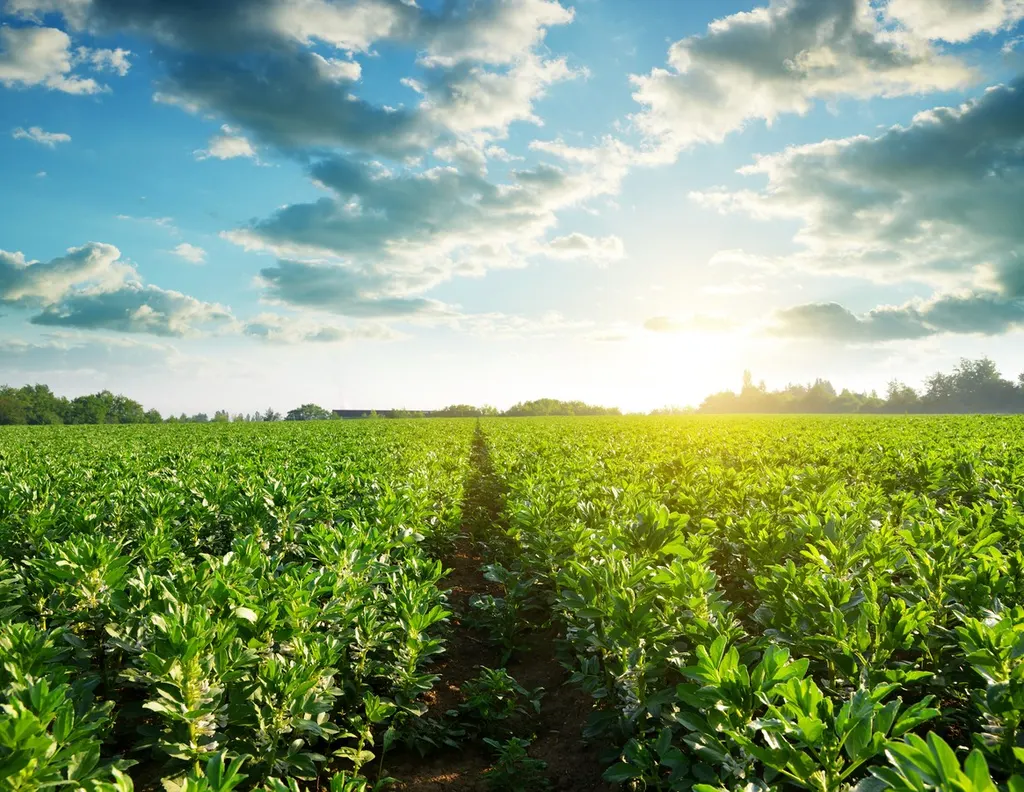
Faba bean field under a blue sky

Why faba beans?

Faba beans are more than a raw material. They combine agronomic benefits with growing market relevance:

  • high protein content
  • regional availability
  • good integration into sustainable value chains
  • growing importance in food and feed
  • potential for aquaculture and new protein markets

Home-grown protein and agriculture

Regional value creation

Home-grown legumes strengthen European supply chains, improve traceability and reduce dependence on imported protein.

Crop rotation

Faba beans contribute to a more diverse and resilient crop rotation and support sustainable farming systems.

Nitrogen fixation and soil

As legumes, faba beans can fix nitrogen from the air, contributing to soil fertility and reducing the need for mineral fertiliser.

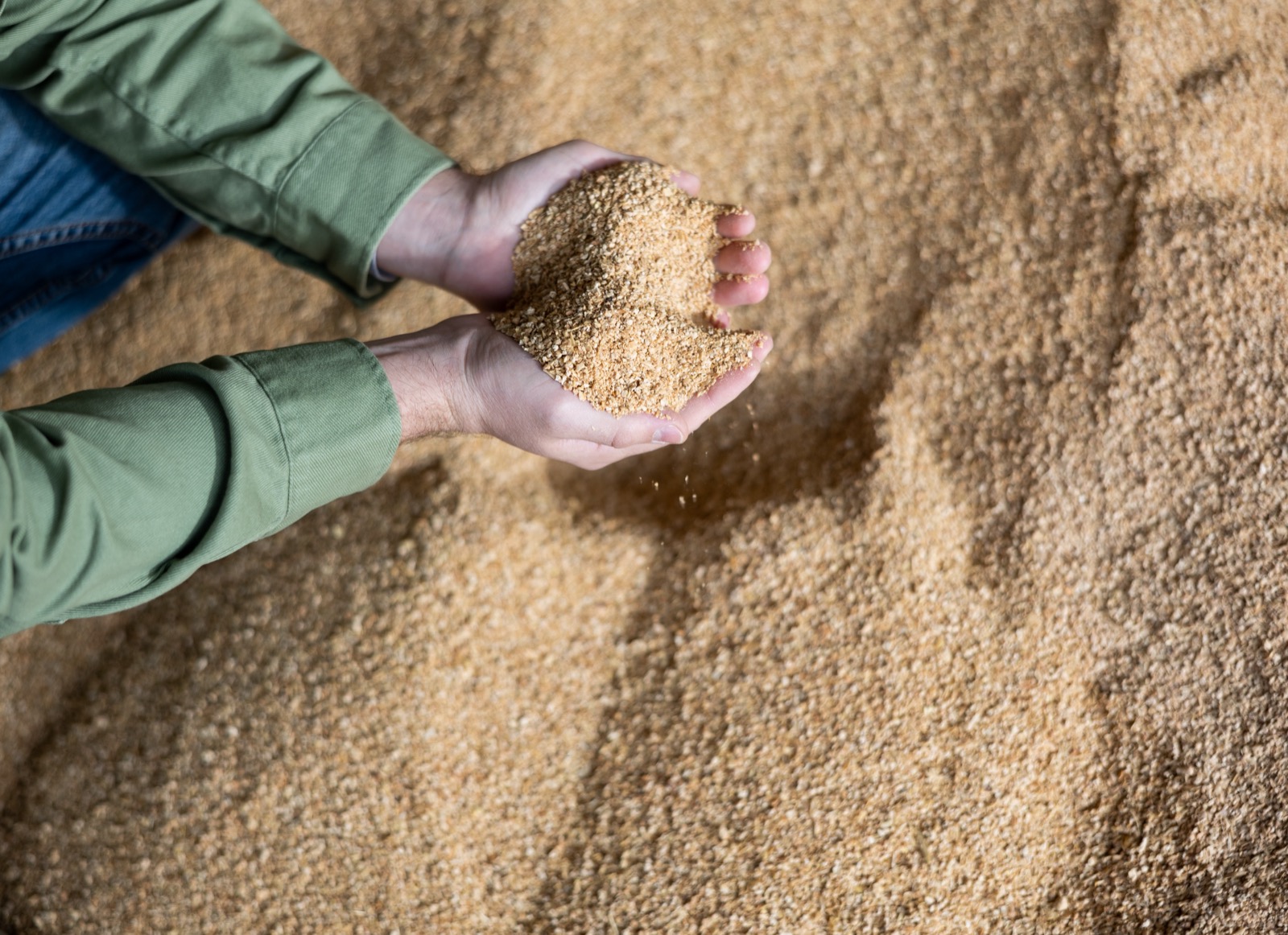
Hands holding harvested grain

For us, processing faba beans and other legumes is more than just a business area.

It is a clear topic of the future for nutrition, agriculture and regional value creation.

Creating added value from legumes together

Whether faba beans, peas or other pulses – together we develop the right solution for your requirements.